
A strong financial policy isn’t just about collecting money—it’s about setting expectations, maintaining compliance, and creating trust with patients. When done right, it prevents misunderstandings and supports consistent revenue.

Tips for Creating a Patient-Friendly Policy
• Put It in Writing: List co-pays, deductibles, late fees, and payment methods clearly.
• Require Signatures: Have patients sign the policy and provide them with a copy. This reinforces accountability.
• Train Staff to Reference It: Staff should feel comfortable pointing to the policy during payment conversations.
• Review Annually: Update policies as payer rules change, and have patients sign the revised version. •
Offer Payment Flexibility: Giving patients multiple ways to pay improves compliance without adding tension.
Why Patients Appreciate Clarity
Most patients dislike financial surprises more than fees themselves. A transparent, written policy shows professionalism and builds trust. Instead of feeling blindsided by unexpected charges, patients feel informed and respected.
Patients are also more likely to stay loyal to practices that communicate financial expectations clearly. Inconsistent policies or unclear rules often drive patients away—even when clinical care is excellent.
How A Step Above Health Mgmt Helps
We work with podiatry practices to create and implement patient-friendly financial policies that strike the right balance between firmness and empathy. Our approach ensures compliance with payer contracts while protecting revenue and preserving patient satisfaction.
We provide: – Policy templates tailored for podiatry practices. – Staff training to ensure policies are applied consistently. – Guidance on balancing compliance, collections, and patient experience.
The result: smoother operations, stronger collections, and happier patients who trust your practice to be both clinically excellent and financially transparent.
Cash flow is the lifeblood of any podiatry practice. The faster you get paid, the more stability you have to cover payroll, invest in equipment, and grow your business. Here are five hacks to help podiatrists get paid faster:

1. Collect Co-Pays Up Front
Train staff to confidently and empathetically collect co-pays at check-in. This reduces accounts receivable and sets clear expectations with patients. Patients who know payment is due up front are less likely to resist.
2. Verify Eligibility Before Appointments
Insurance surprises at checkout often lead to delayed payments. By verifying eligibility before the appointment, you catch coverage issues early. This saves time, prevents frustration, and increases patient trust.
3. Send Digital Reminders
Patients are more likely to pay when they receive a text or email reminder with a direct payment link. It’s convenient, fast, and eliminates the “I forgot” excuse. Automated reminders save staff time and reduce overdue balances.
4. Submit Claims Daily
Don’t batch claims weekly. Submitting daily accelerates reimbursements and keeps your cash flow steady. It also gives you faster insight into denial trends, allowing quicker corrections.
5. Leverage Analytics
Track which insurers are slowest to pay and prioritize follow-ups with them. Data-driven follow-up saves time and gets results. Analytics can also highlight common coding errors or identify underpaid claims.
How A Step Above Health Mgmt Makes It Happen
We use technology and proven workflows to accelerate payments for podiatry practices. Our clients often see days in A/R reduced by 30–50%. Faster payments mean less stress, better cash flow, and more focus on patient care.
By blending automation with podiatry expertise, we eliminate bottlenecks and put more money in your practice’s bank account—faster.
On the surface, keeping billing in-house may seem cheaper than outsourcing. After all, you’re already paying staff—why pay another company? But when you look deeper, the costs of in-house billing add up fast.

The Hidden Costs of In-House Billing
• Staff Time: Every denied claim requires follow-up calls, resubmissions, and hours of effort. That’s time your staff could spend on patients.
• Errors and Delays: A single coding mistake or missed deadline can cost hundreds—or even thousands—in lost revenue.
• Turnover: Training and replacing billing staff drains resources. Each departure disrupts your collections process.
• Technology Costs: Billing software, clearinghouse fees, and compliance tools add up quickly.
Why Outsourcing Makes Sense
When you outsource billing to a company that specializes in podiatry, you gain: – Expertise: Professionals who know podiatry coding, modifiers, and payer quirks.
– Consistency: No more disruptions from staff turnover or absences.
– Higher Collections: Industry benchmarks show that specialized billing services collect a higher percentage of revenue than most in-house teams.
– Compliance Support: Outsourced teams stay on top of changing rules, keeping your practice safe from audits.
A Step Above Health Mgmt: Your Billing Partner
We take billing off your plate so your practice can focus on growth and patient care. With our podiatry specific knowledge, we reduce denials, increase collections, and provide reporting that keeps you in control of your revenue cycle.
Pro Tip: Compare your collections rate with the industry standard of 95%+. If you’re below that, outsourcing is likely to pay for itself—and then some.
Every podiatry practice has encountered this: a patient checks out after a visit and says, “I forgot my wallet.” Or worse, “Just send me a bill.” Left unaddressed, these situations eat into revenue and create unnecessary follow-up work.
But there’s good news: with training, scripts, and clear policies, your staff can handle these situations effectively.

Tip 1: Use Scripts
Equip staff with polite, firm responses. For example:
“That’s okay, Mr. Smith. You can call later today with your credit card number so we can process your payment. That way you won’t have to worry about receiving a bill in the mail.”
Scripts keep interactions consistent and reduce staff stress. They also help staff remain professional without sounding confrontational.
Tip 2: Enforce Your Financial Policy Consistently
If patients see different staff giving different answers, they’ll find loopholes. Consistency is key. A signed financial policy gives staff authority to stand firm and ensures that patients know what’s expected.
Tip 3: Offer Flexible Payment Options
Remove excuses by offering multiple payment methods—credit cards, mobile pay, online portals. The easier it is to pay, the fewer excuses you’ll hear. Many practices now use payment kiosks or secure digital links to collect balances quickly.
Tip 4: Distinguish Between One-Off and Repeat Offenders
A patient who genuinely forgets once is very different from someone who consistently avoids payment. Your policy should outline how to handle each scenario—leniency for one-time mistakes and firmer steps for repeat offenders.
How A Step Above Health Mgmt Adds Value
We don’t just handle billing behind the scenes. We also provide staff coaching and training, giving your team the tools to handle tough payment conversations with confidence. Our approach includes: – Developing patient-friendly scripts. – Creating financial policy templates. – Training staff in role-play sessions to boost confidence.
The result? Fewer unpaid balances, improved patient satisfaction, and smoother front-office operations.
Denied claims aren’t just paperwork—they’re lost revenue. Every denial means more staff time spent fixing errors, more delays in cash flow, and sometimes, money that’s never recovered. Podiatrists, in particular, deal with high denial rates due to the specialized and sometimes misunderstood nature of foot care.
So how can you reduce denials and make sure claims are paid the first time? Let’s look at five strategies.

1. Double-Check Coding
Modifiers like Q7, Q8, and Q9 are unique to podiatry and often trigger denials if used incorrectly. These modifiers indicate severity of peripheral vascular disease and are essential for proving medical necessity. If your team isn’t trained on their correct use, you’re likely seeing unnecessary denials.
Another common mistake is miscoding routine foot care as covered services. For example, trimming nails without proper diagnosis documentation is usually non-covered. Pairing it with conditions like diabetes or neuropathy can change coverage entirely. Precision matters.
2. Verify Coverage Up Front
Not all services are covered equally. Medicare and commercial plans often exclude “routine foot care” unless linked to a medical condition. Imagine a patient assumes coverage and then gets a surprise bill. This not only hurts your collections—it damages patient trust. Verifying eligibility before the appointment helps both your practice and your patients avoid misunderstandings.
3. Document Thoroughly
Payers want proof. A vague note like “nail care performed” isn’t enough. Documentation should connect the procedure to a diagnosis code and show medical necessity. For example: “Debridement of mycotic toenails performed due to pain and difficulty ambulating. Patient has Type 2 diabetes with neuropathy.” That level of detail turns a denied claim into an approved one.
4. Track Common Denials
Keep a simple log of denials and their reasons. Patterns often emerge with certain insurers or codes. For instance, if you notice one insurer frequently denying claims tied to orthotics, you can proactively adjust documentation or appeal more strategically.
5. Appeal Aggressively
Too many practices give up after the first denial. But appeals often succeed when backed by thorough documentation. Having a structured appeal process—complete with templates and timelines—can help your practice reclaim revenue that others write off.
How A Step Above Health Mgmt Supports Practices
We take denial prevention seriously. Our team uses analytics to track trends, spot recurring issues, and fix them before they become systemic problems. Plus, we handle appeals efficiently, ensuring you recover revenue that might otherwise be lost. With us, you’re not just cleaning up denials—you’re preventing them from happening in the first place.
By partnering with a podiatry-focused billing team, you can expect cleaner claims, fewer denials, and a healthier bottom line.
Running a podiatry practice means balancing patient care, staff coordination, and business operations—all while navigating the complicated world of medical billing. Unfortunately, billing is often the weak link. Claims get denied. Payments are delayed. Patients resist paying co-pays. Before long, practices see cash flow issues that threaten financial stability.
So, why is billing such a struggle for podiatry practices? Let’s break it down.
The Top Billing Challenges
1. Insurance Complexity
Podiatry sits in a unique space between general medical services and specialized care. Procedures that seem routine—like nail debridement or orthotics—often have strict coverage requirements. Without precise coding, claims get rejected. Even worse, insurers change rules frequently, leaving practices scrambling to keep up. If your staff isn’t fully trained on podiatry-specific coding requirements, claim denials become the norm, not the exception.
2. Patient Collection Issues
Patients may push back on co-pays or fail to pay balances on time. Some forget their wallet, others ask for a bill later, and some assume foot care isn’t a “specialty” visit. Without a firm but empathetic approach, practices lose thousands each year in uncollected revenue. These missed payments build up in accounts receivable, making your practice look busier on paper than it really is financially.
3. Staff Overload
Front-desk staff are often pulled in too many directions—phones, scheduling, prior authorizations, and patient check-ins. When billing becomes “just another task,” errors pile up and claims slip through the cracks. A busy front desk might overlook coding modifiers, forget to collect deductibles, or miss filing deadlines—all of which cost your practice money.
4. Ever-Changing Compliance Rules
Regulatory requirements in healthcare are always shifting. Whether it’s HIPAA, fraud-prevention rules, or payer-specific compliance demands, keeping up can feel impossible. Falling behind can result in audits, penalties, or lost contracts with insurers.
A Pro Tip for Practices
The number one thing that reduces financial disputes is a clear financial policy. Patients should know exactly when and how payments are expected. This avoids surprises and strengthens your staff’s position when collecting at check-in. Consider: – Creating a one-page, patient-friendly financial agreement. – Reviewing it at every new patient visit. – Having patients sign it annually, especially when policies change.
Transparency goes a long way in preventing difficult conversations later.
The Ripple Effect of Poor Billing
When billing issues pile up, the impact spreads across your practice. Cash flow slows down, staff morale dips, and providers feel pressure to see more patients just to keep revenue stable. This stress can reduce patient satisfaction, leading to fewer referrals and weaker word-of-mouth growth.
Worse, delayed or denied claims can mask your true financial picture. You might think revenue is “on the way,” when in reality, many claims are stuck in denial cycles with little chance of payment. Without clear reporting, you won’t see the problem until it’s too late.
How A Step Above Health Mgmt Helps
At A Step Above Health Mgmt, we specialize in podiatry billing. That means we not only process claims— we proactively prevent denials, track payer trends, and coach staff to handle patient collections with confidence. Our services include: – Coding and compliance expertise to keep your claims clean and your practice audit-ready. – Denial management and appeals to recover money others might write off. – Staff training and scripting so your team knows how to handle difficult payment conversations. – Custom reporting that gives you a clear view of your financial health.
By outsourcing billing to experts who understand the nuances of podiatry, practices can boost collections, reduce staff stress, and refocus on what matters most: patient care. Billing doesn’t have to be your Achilles’ heel—it can be one of your strongest practice assets.
October 1 flips the switch on ICD‑10‑CM FY 2026 and the Q4 HCPCS file. CPT changes don’t go live until January 1, 2026, but Q4 is when wise practices get ready. Use this master checklist to keep your podiatry billing clean and compliant.
Systems & data
• Import FY 2026 ICD‑10‑CM and Q4 HCPCS tables; validate favorites and problem lists.
• Refresh claim edits and payer rules; verify clearinghouse acceptance for test claims.
• Update charge master descriptors and ABN language where applicable.
Documentation & training
• Hold a one‑hour provider huddle on wound, injury, and diabetes‑linked documentation
expectations.
• Distribute a one‑page L97‑ quick guide (site + depth ladder) and a debridement cheat sheet
(active vs. surgical, tissue level language, post‑debridement measurements).
• Reinforce SDOH capture when it changes care, especially for wound adherence and transportation.

DME & supplies
• Load the October DMEPOS fee schedule; sync your item master with any new HCPCS codes.
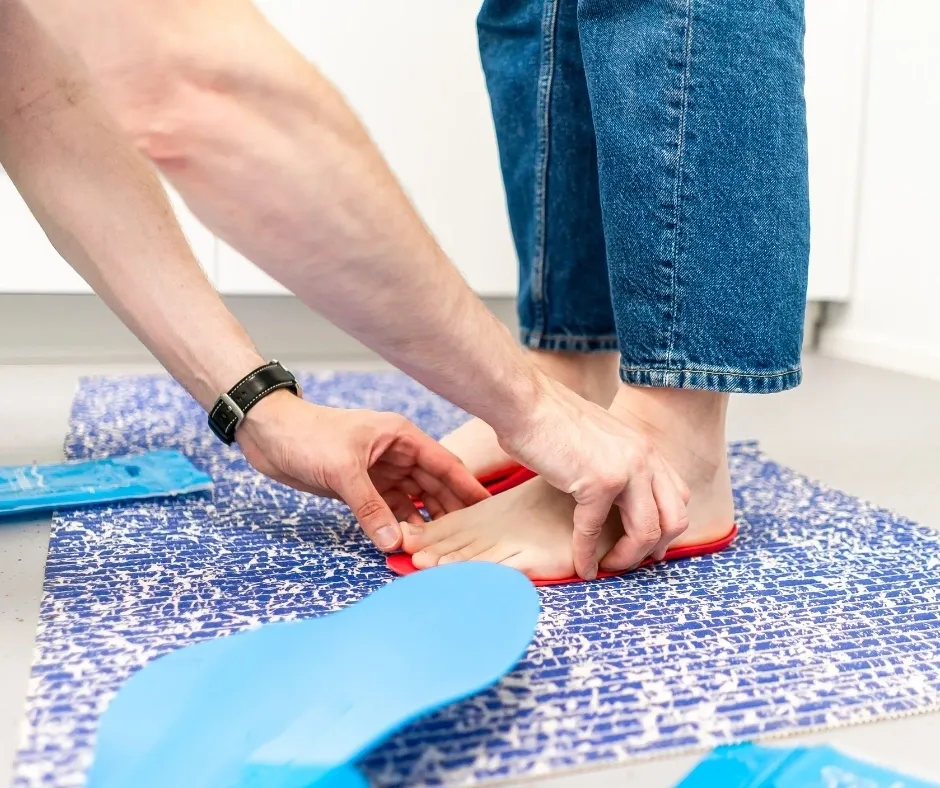
• Re‑educate staff on therapeutic shoe paperwork and qualifying conditions.
CPT preview (for Jan 1)
• Review the newly released CPT 2026 summary; flag any changes to podiatry‑adjacent procedures
(imaging, debridement guidance, device applications) and update templates by December. • Check expected RVU shifts in the 2026 Medicare Physician Fee Schedule once the final rule is posted; prepare encounter templates accordingly.
Revenue monitoring
• Stand up an October denial bunker: daily review of clearinghouse rejections and payer denials related to ICD‑10 validity or HCPCS mismatches.
• Track Days in A/R and First Pass Acceptance Rate weekly in October to catch issues early.
A Step Above Health Mgmt advantage
Our team delivers a white‑glove October transition: we load code files, train staff, test claims, and then watch your denial feed like a hawk so problems get fixed the same day. When January’s CPT shift arrives, your practice is already warmed up.
October’s diagnosis update isn’t just a file refresh; it’s an invitation to level up clinical specificity—the difference between smooth payments and needless denials.
Non‑pressure ulcers (L97‑): how to pick the right code every time
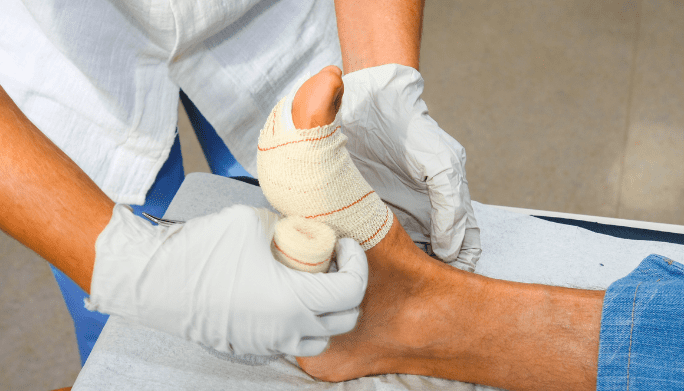
• Anatomic site is king: Choose among heel/midfoot/other part of foot/ankle and add laterality. Your note should state the exact site (e.g., “plantar heel”) and map to the right subcategory.
• Depth/severity matters: Select the character matching breakdown of skin, with fat layer
exposed, with necrosis of muscle, or with necrosis of bone. Insert the post‑debridement measurements so the level you billed is obvious to auditors.
• Underlying cause: When the ulcer is diabetic, pair with E11.621 (Type 2 DM with foot ulcer) and, if present, E11.40‑E11.52 family codes for neuropathy/angiopathy. Add infection (cellulitis/ osteomyelitis) and ischemia codes as indicated.
Injury coding tune‑up
• 7th character discipline: Initial (A) for active treatment (e.g., casting, surgical care, ED‑level management); subsequent (D) when routine healing is underway; sequela (S) for late effects (e.g., chronic pain or deformity after a healed fracture).
• External cause codes: Not usually required for payment, but they support analytics and can resolve
payer edits—use them when your state/program requires.
• Common foot injuries: Precisely code metatarsal fractures, Lisfranc sprains, Achilles ruptures, and toe dislocations with laterality and encounter type—important for risk scoring and authorization.
Templates that save the day
Create EHR templates that force entry of site, laterality, depth, tissue removed, offloading method, vascular status, and diabetes linkage. Require a healing trajectory note: “% reduction” or “stalled— escalated to vascular consult.”
A Step Above Health Mgmt advantage We install smart templates, train clinicians on what auditors look for, and run monthly denial post‑mortems so your charts evolve with payer behavior—not after the fact.
If your practice treats diabetic foot ulcers (DFUs) and chronic venous leg ulcers (VLUs), the last 18 months have been a moving target. October doesn’t launch the new national skin substitute/CTP coverage policies after all—their effective date is delayed to January 1, 2026. That’s breathing room, but it’s also a warning to elevate documentation now.
What’s changing (and when)
• CTP/skin substitute LCDs delayed to Jan 1, 2026. CMS and all seven MACs announced a uniform delay while they reassess evidence and invite additional data. Practices should expect tighter medical‑necessity thresholds, standardized utilization limits, and strong requirements for measurable wound progress before repeat applications.
• Episodes of care and utilization norms: Current MAC LCDs typically describe a 12‑week usual episode of care, with allowance to extend to 16 weeks if documentation proves continued progress. Expect those expectations to be enforced strictly during audits.
What to do in October–December
1. Lock in a wound documentation bundle: Always capture L×W×D, percent granulation/necrosis, exudate, odor, pain, infection/bioburden, peri‑wound condition, vascular status (ABI/TBI), offloading modality, and photographic evidence. Build a flowsheet so trajectory of healing is unmistakable.
2. Debridement specificity: When performing active wound care (97597/97598) or surgical debridement (11042–11047), clearly document tissues removed (slough, necrotic fascia, muscle, bone), technique (sharp/excisional vs. mechanical), and post‑debridement measurements. Payers look for this to validate both medical necessity and the CPT level you selected.
3. Utilization controls: Set internal guardrails for number of CTP applications per wound and minimum percent improvement per interval. When a wound stalls, escalate to vascular or infectious disease rather than repeating applications that won’t meet future LCD standards.
4. ICD‑10 alignment: Ensure each wound visit uses the most specific L97‑ code that matches site, laterality, and depth—and pair with E11.621 when the wound is a diabetic ulcer. Add infection, osteomyelitis, ischemia codes when clinically present.
5. Team drills: Run mock audits on your toughest DFU/VLU cases from the last quarter. If your notes don’t prove progress, re‑engineer your template now.
A Step Above Health Mgmt advantage
We build podiatry‑specific wound templates, train your MAs and providers on bulletproof documentation, and create utilization dashboards by payer and product. When the 2026 LCDs hit, you’ll be ready.
Every October brings ICD‑10 updates—but CPT is different. Most CPT code changes take effect January 1 each year. So what should a podiatry practice actually do in October 2025 about CPT? Prepare, preview, and pre‑train.
What’s actually new in the CPT world
• CPT 2026 code set released in September: The AMA publishes the upcoming CPT code set in early fall with changes effective January 1, 2026. That gives practices Q4 to prepare. Expect additions and revisions across medicine, including digital health and select surgical bundles—some could influence foot/ankle procedures, imaging, and evaluation/management policy.
• Early/triannual releases: A narrow subset of CPT content (e.g., certain vaccine product codes) may publish in periodic electronic releases, but for most podiatry services your effective date remains Jan 1. Category III (emerging tech) codes follow their own semiannual cadence; verify applicability before adoption.

October action plan for podiatry
1. Map 2026 CPT changes to your service mix. Cross‑walk the code set against your last 12 months of E/M, minor procedures (e.g., 1104x surgical debridement, 97597/97598 active wound care), injections, imaging, and orthotic management. Identify any revised descriptors or parenthetical notes that affect bundling.
2. Review CCI edits and payer policies. Many denials in Q1 stem from not updating to the latest bundling edits. Flag common pairs you use (e.g., debridement with application procedures, E/M on post‑op days) and rehearse compliant modifier use.
3. Update charge capture tools. Refresh favorites, pick lists, and order sets before December so January 1 doesn’t surprise staff.
4. Train staff on documentation points tied to RVUs. When RVU revaluations shift, documentation must clearly support elements like size/extent of debridement, decision‑making complexity, or imaging interpretation—even if the CPT code number doesn’t change.
Podiatry‑specific watch‑outs
• Wound‑care bundling: Application of cellular/tissue‑based products (CTPs/skin substitutes) often intersects with debridement codes. New payer instructions or site‑of‑service rules may change reimbursement. Because major CTP LCD changes are delayed until Jan 1, 2026, use Q4 to tighten protocols and documentation.
• DME and supplies: Many supplies are reported via HCPCS Level II rather than CPT. October brings quarterly HCPCS updates that may affect what you can dispense and how it’s paid (see Blog 4).
How A Step Above Health Mgmt helps
We’ll distill the CPT 2026 updates into a podiatry‑specific playbook, update your EHR order sets and macros, and run coder/provider workshops so your team hits Jan 1, 2026 ready—no surprises, no slowdowns.
